 easytaxbite
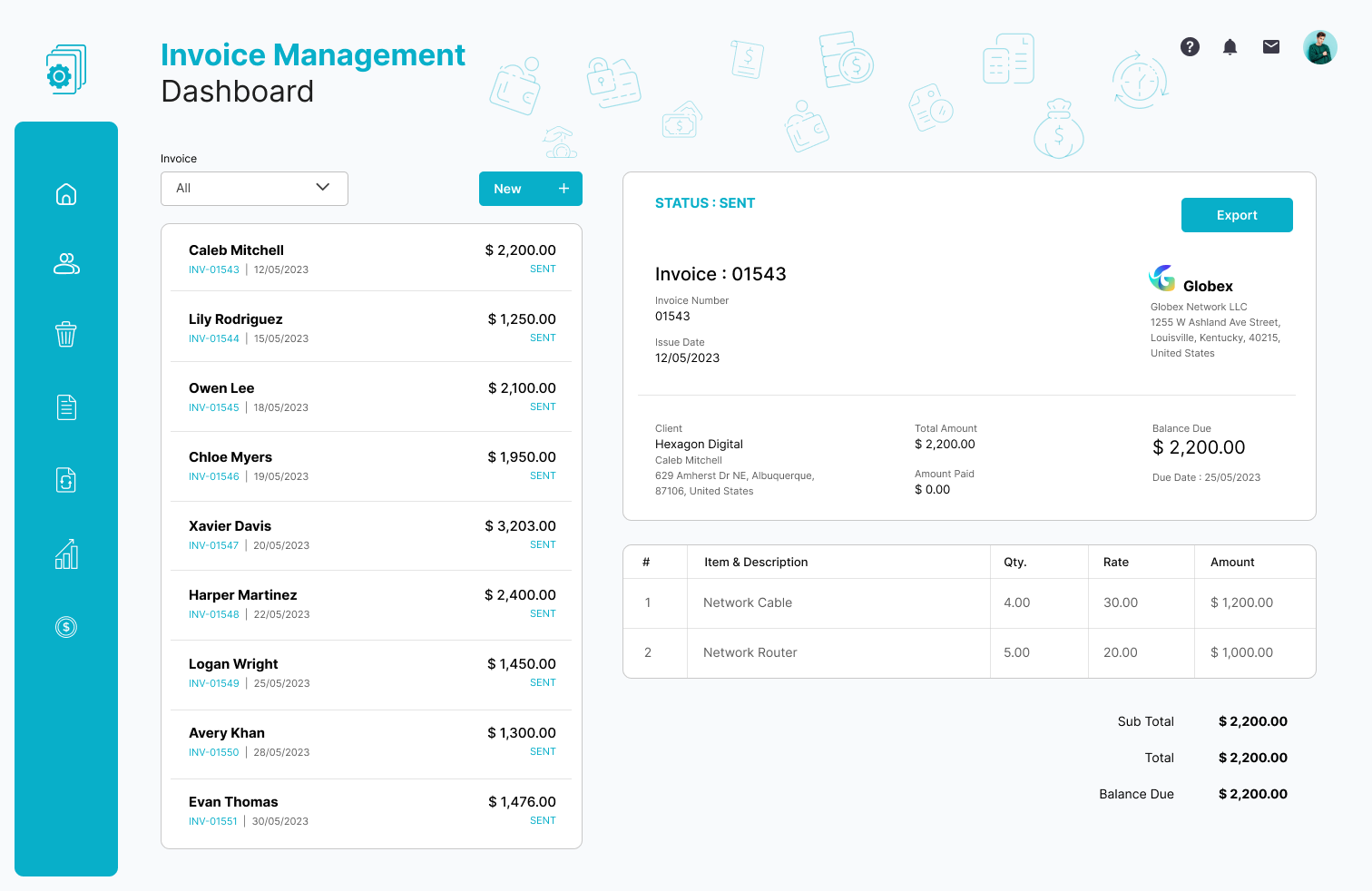
Modern invoice management dashboards streamline electronic invoicing processes with intuitive interfaces and real-time tracking capabilities.
Introduction: The E-Invoicing Revolution
The global shift toward electronic invoicing (e-invoicing) is no longer optional—it’s becoming mandatory across jurisdictions worldwide. As tax authorities implement real-time reporting requirements to combat fraud and improve VAT collection, businesses must adapt their accounting systems to comply with these new regulations.
Whether you’re a small business owner, accountant, or enterprise financial manager, selecting the right accounting software with e-invoicing capabilities is critical for maintaining compliance, reducing manual errors, and ensuring seamless operations.
What Is E-Invoicing and Why Does It Matter?
E-invoicing refers to the digital exchange of invoice data between suppliers and buyers in a structured format (typically XML or JSON) that can be automatically processed by accounting systems. Unlike simple PDF invoices sent via email, true e-invoices integrate directly with government tax portals and accounting software.
Key Benefits:
- Compliance: Meet regulatory requirements in your operating jurisdictions
- Efficiency: Reduce manual data entry by up to 50%
- Accuracy: Eliminate human errors in invoicing and tax calculations
- Cash Flow: Faster payment processing and better tracking
- Security: Secure digital storage and audit trails
Essential Features Required in E-Invoicing Accounting Software
When evaluating accounting software for e-invoicing compliance, ensure your solution includes these critical capabilities:
1. Regulatory Compliance & Updates
Your software must automatically adapt to changing local and international e-invoicing regulations. Leading providers like Sovos partner with accounting platforms to monitor complex tax laws across the globe and seamlessly update solutions to meet new requirements .
2. Multi-Format Support
The software should handle various e-invoicing formats including:
- XML (UBL, CII)
- JSON
- Peppol BIS formats
- Country-specific standards (Factur-X, ZUGFeRD, etc.)
3. Government Portal Integration
Direct connection to tax authority portals for real-time validation and clearance is essential. This includes:
- Automatic invoice registration
- QR code generation
- Digital signature capabilities
- Real-time status tracking
4. Automated Validation
Built-in validators ensure invoices contain legally required data, tax information, and correct formats before submission .
5. Audit Trails & Storage
Secure, long-term storage of invoice data with comprehensive audit trails for compliance reporting.
Top Accounting Software Solutions for E-Invoicing
Based on 2024 market analysis, here are the leading accounting software options with robust e-invoicing capabilities:
1. QuickBooks Online + Sovos Integration
Best for: Small to medium businesses needing international compliance
QuickBooks has partnered with Sovos, a leading global cloud compliance provider, to offer integrated e-invoicing that works seamlessly with government authority portals . This solution automates the e-invoicing process while maintaining QuickBooks’ user-friendly interface.
Key Features:
- Automatic regulatory updates
- Multi-country compliance support
- Direct integration with QuickBooks accounting
- Real-time validation
2. Xero
Best for: Startups and small businesses prioritizing user experience
Voted Best Accounting Software in 2024 by Accountancy Cloud, Xero offers powerful e-invoicing capabilities with an intuitive interface . The platform supports multiple currencies and integrates with over 1,000 apps for extended functionality.
Key Features:
- Send and track invoices online
- Accept payments directly through invoices
- Multi-currency support for international invoicing
- Mobile app for on-the-go management
3. Sage Business Cloud Accounting
Best for: Growing businesses with complex needs
Sage Network simplifies e-invoicing compliance by enabling direct invoice exchange between accounting systems or via compliant email formats. The platform reduces processing time by 50% and automatically syncs with ERPs while meeting local VAT requirements .
Key Features:
- Real-time tracking and automated status updates
- Document validation and counterparty identification
- Compliance report generation for tax authorities
- Dispute management tools
4. FreshBooks
Best for: Freelancers and service-based businesses
FreshBooks simplifies accounting for non-accountants with its user-friendly platform and efficient invoice management . The software allows users to request upfront deposits and track billable hours.
Key Features:
- 30-day free trial (no credit card required)
- Automated payment reminders
- Time tracking integration
- Professional customizable invoices
5. Zoho Books
Best for: Businesses seeking free or low-cost solutions
Zoho Invoice offers a completely free plan with tax-compliant invoicing, multiple payment options, and integrations with other business management tools . While limited to 1,000 invoices per year on the free tier, it’s ideal for small operations.
Key Features:
- Free tier available
- Multi-currency support
- Self-service customer portal
- Automated payment reminders
Cloud-Based E-Invoicing Architecture
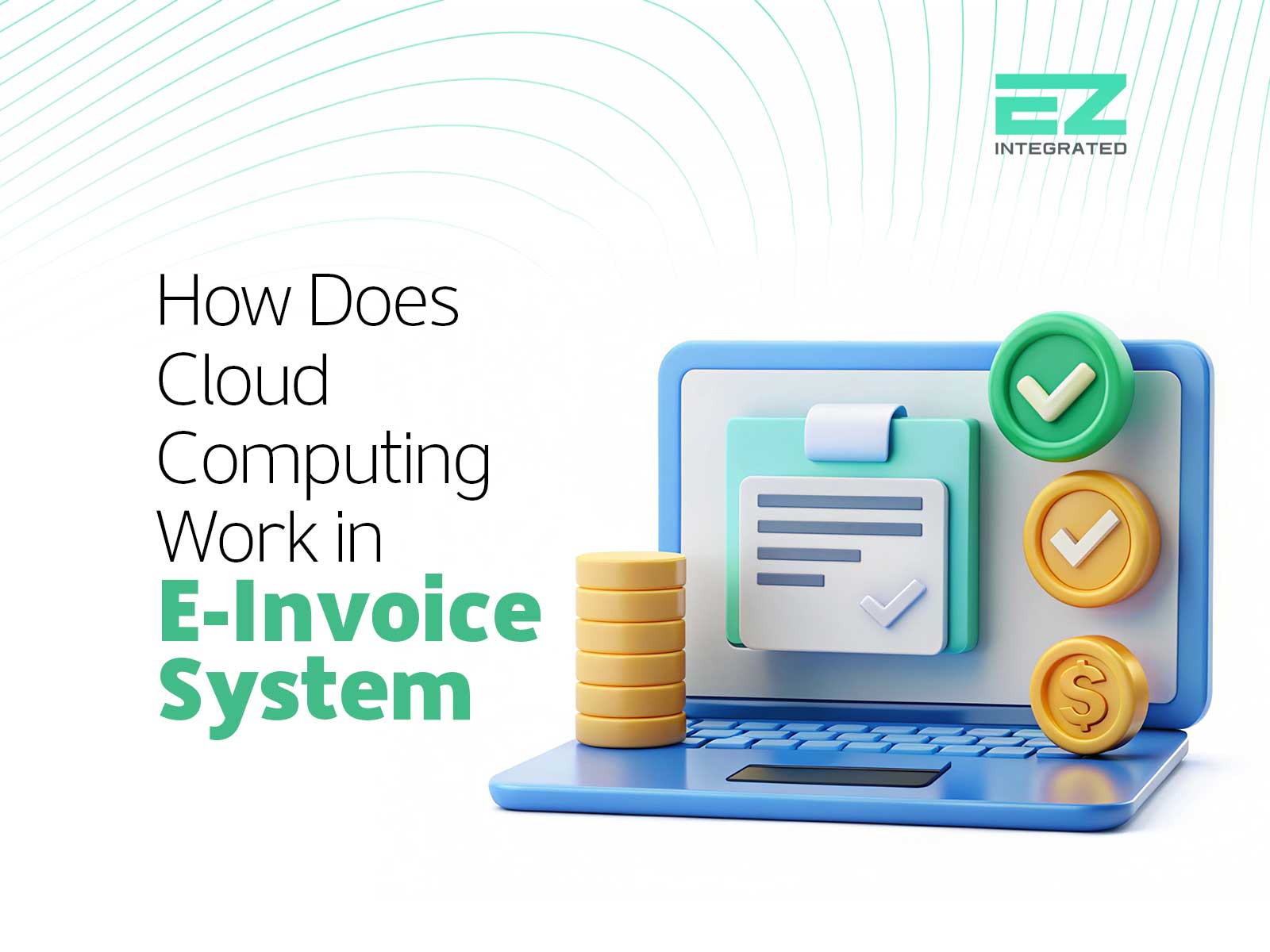
Modern e-invoicing systems leverage cloud computing to ensure seamless integration between accounting software, payment gateways, and government tax portals.
Compliance Steps for E-Invoicing Implementation
To successfully implement e-invoicing across your operations, follow these six essential steps :
- Understand Legal Requirements: Stay informed about e-invoicing regulations in each region where your business operates, including updates to tax laws and invoicing standards.
- Use the Right Tools: Invest in reliable e-invoicing software that meets both local and international standards.
- Regular Training and Education: Conduct ongoing training for staff involved in billing and invoicing processes.
- Auditing and Monitoring: Frequently audit your invoicing processes to verify compliance with legal standards.
- Maintain Accurate Records: Keep detailed records of all invoices securely stored and easily accessible.
- Integration Testing: Ensure seamless data flow between your accounting software, e-invoicing platform, and government portals.
Industry-Specific Considerations
E-Commerce Businesses
For online retailers, accounting software must handle high-volume invoicing with automatic tax calculations across multiple jurisdictions. Xero and QuickBooks offer robust integrations with e-commerce platforms like Shopify and WooCommerce .
International Trade
Businesses operating across borders need solutions supporting 135+ currencies and regional payment methods like SEPA (Europe), PayTo (Australia), and Pix (Latin America). Stripe Invoicing excels in this area .
Enterprise Organizations
Large enterprises should consider comprehensive solutions like SAP Ariba or Coupa, which offer AI-powered, near-touch-free invoicing with automated reconciliation and approval workflows .
The Future of E-Invoicing: 2025 and Beyond
The e-invoicing landscape continues evolving rapidly. Key trends to watch:
- Real-Time Reporting: More countries moving to continuous transaction controls (CTC) models
- AI Integration: Machine learning for automated invoice processing and fraud detection
- Blockchain: Emerging use for immutable invoice records
- Global Standardization: Peppol network expansion for cross-border interoperability
