
 easytaxbite
What is International Tax & Foreign Income?
International taxation refers to how countries tax income earned across borders. The “normal size” or standard approach varies significantly by country, but there are two main systems:
1. Worldwide Taxation (Residence-Based)
- Countries tax residents on all income, regardless of where it’s earned
- Example: United States taxes citizens/residents on worldwide income
- Foreign tax credits or exclusions may apply to avoid double taxation
2. Territorial Taxation (Source-Based)
- Countries only tax income earned within their borders
- Foreign-sourced income is generally exempt
- Trend: Most OECD countries have moved toward this system
Standard Tax Rates by Region (2025)
| Region | Average Corporate Rate | Average Individual Rate |
|---|---|---|
| South America | 28.38% | 25-35% |
| Europe (OECD) | 24.20% | 40-55% |
| North America | 25.59% | 25-37% |
| Asia | 19.74% | 15-25% |
| Africa | 28.00% | 25-35% |
Lowest Corporate Rates: Hungary (9%), Ireland (12.5%), Cyprus (13%)
Highest Corporate Rates: Comoros (50%), France (36.13%), Puerto Rico (37.5%)
U.S. Foreign Income Tax Rules (Example)
The U.S. uses a hybrid system with three key components :
| Component | Rate | Purpose |
|---|---|---|
| GILTI | 10.5% minimum | Tax on low-taxed foreign intangible income |
| FDII | 13.125% | Reduced rate on export income tied to U.S. IP |
| BEAT | 10% minimum | Base erosion anti-abuse tax on large multinationals |
Foreign Earned Income Exclusion (2023)
- U.S. citizens abroad can exclude up to $120,000 of foreign earned income
- Must meet either:
- Physical Presence Test: 330+ days in foreign country
- Bona Fide Residence Test: Full tax year as foreign resident
Global Minimum Tax (New Standard)
Starting 2024-2025, 15% global minimum tax is being implemented across OECD countries :
- 23 OECD countries have adopted Income Inclusion Rules (IIR)
- Applies to multinational enterprises with revenue > €750 million
- Prevents profit shifting to low-tax jurisdictions
Visual References
1. Worldwide Corporate Tax Rates Map
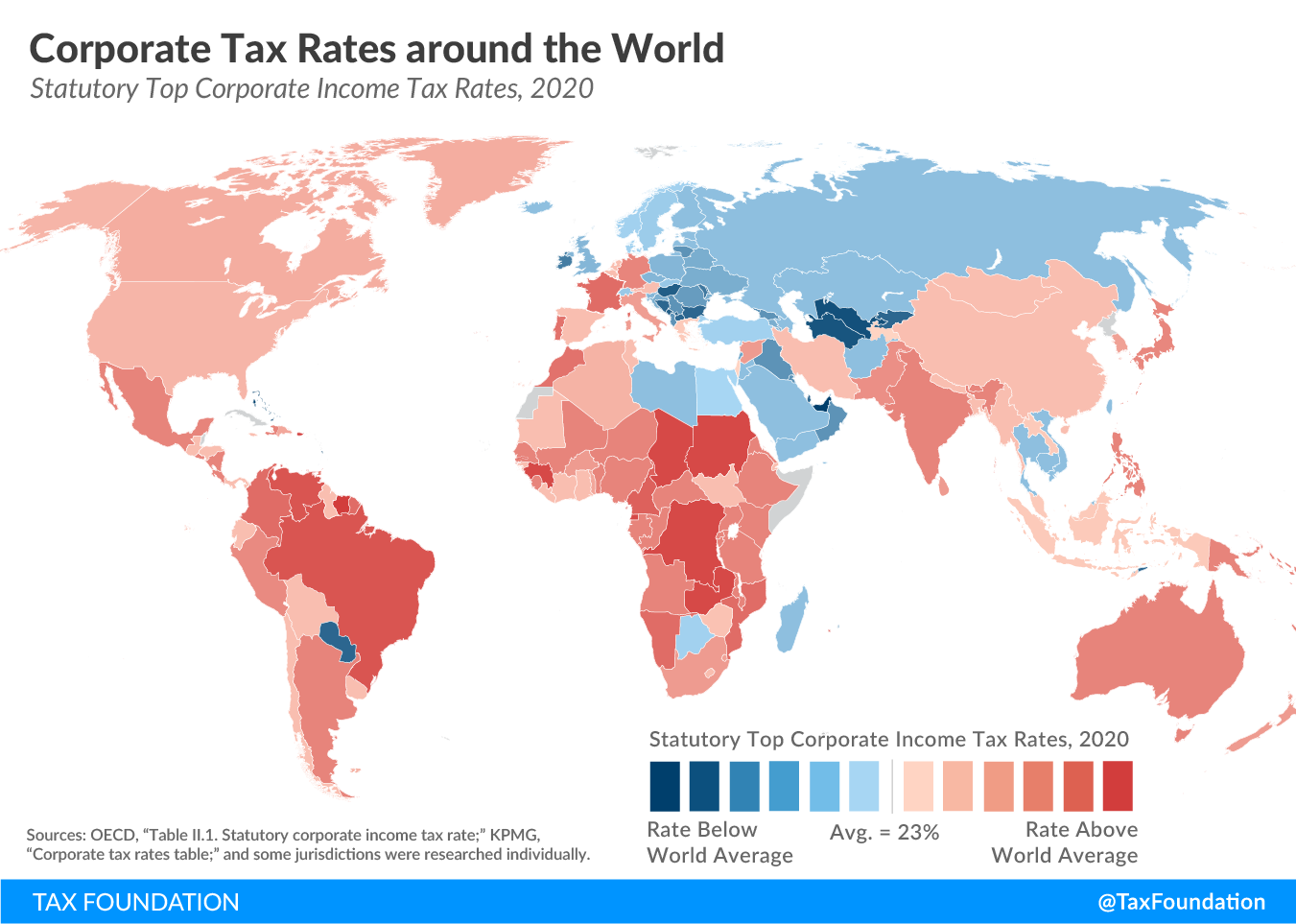
This map shows the global distribution of corporate tax rates, with darker red indicating higher rates (30%+) and lighter blue indicating lower rates (<15%).
2. Income Tax Rates by Country (Top 10 Highest)
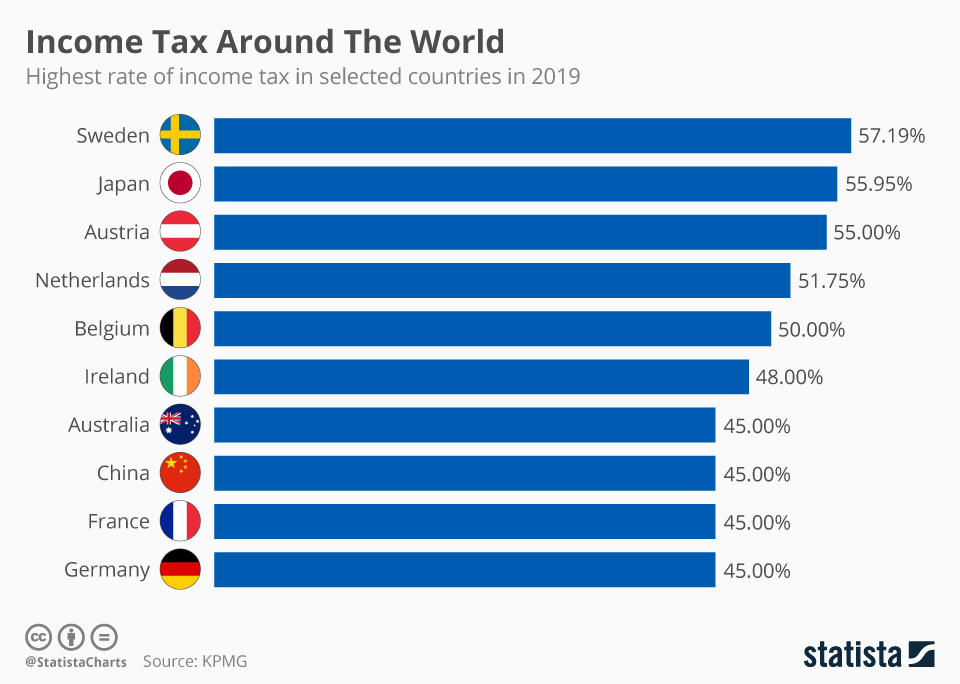
This chart shows that personal income tax rates vary dramatically, with some countries exceeding 50% while others remain below 20%.
3. U.S. Foreign Income Taxation Trends
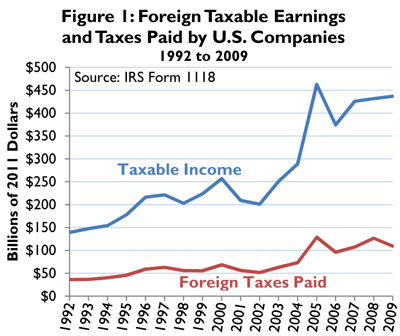
This graph illustrates how U.S. multinationals’ foreign taxable income and taxes paid have grown significantly from 1992 to 2009, showing the increasing importance of international taxation.
4. Global Personal Income Tax Overview
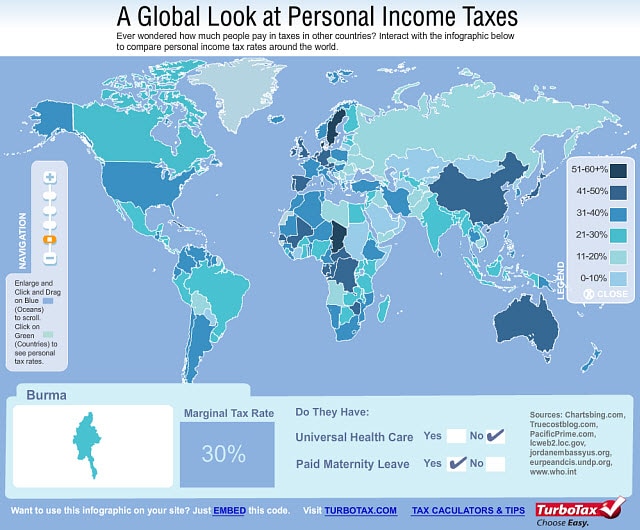
This interactive infographic provides a world map view of personal income tax systems, showing which countries use progressive vs. flat tax systems.
5. Foreign Income Tax Relief Process
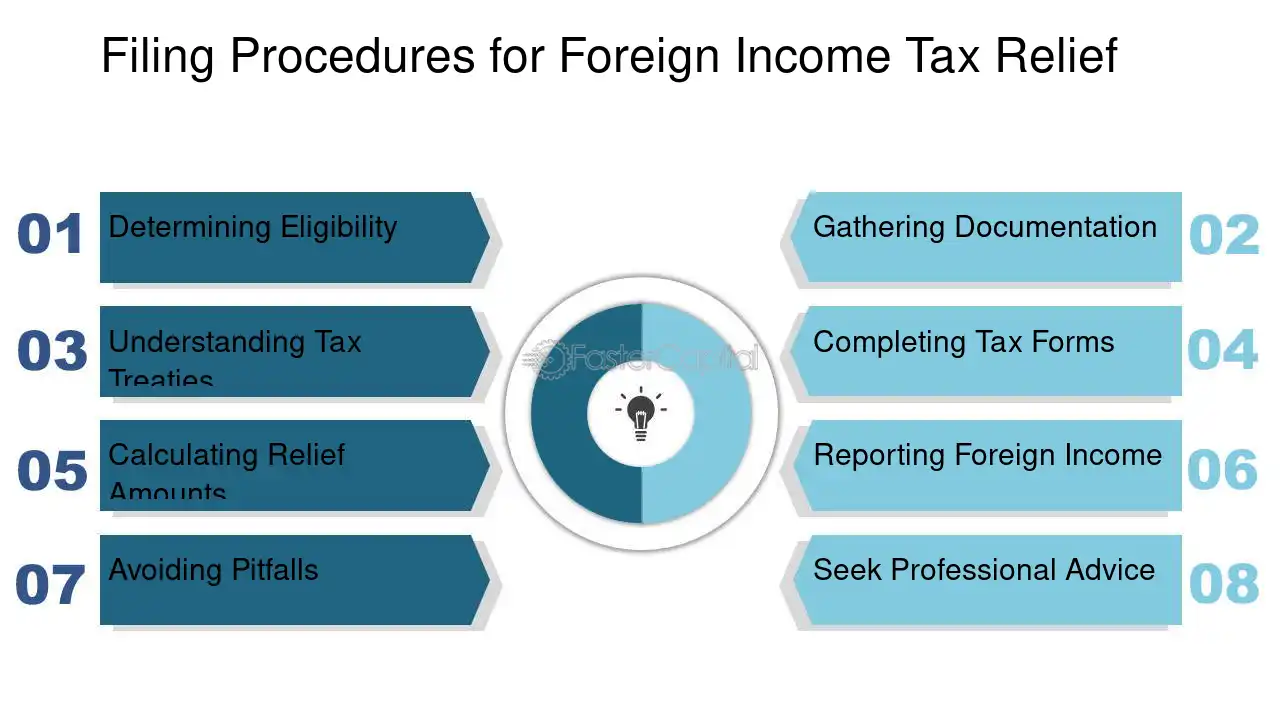
This diagram outlines the typical steps for claiming foreign income tax relief, including gathering documentation, computing foreign tax, and reporting foreign income.
Key Takeaways
- No Universal “Normal”: Tax rates vary from 0% (some Gulf states) to over 50% (some European countries)
- Double Taxation Relief: Most countries provide credits or exemptions to prevent paying tax twice on the same income
- Trend Toward Territoriality: Most countries are moving away from worldwide taxation to remain competitive
- Global Minimum Tax: The new 15% minimum is reshaping international tax planning for large multinationals
- Compliance Complexity: International tax requires understanding treaties, transfer pricing, and reporting requirements (FBAR, FATCA, etc.)
Would you like me to explain specific aspects of international taxation in more detail, such as tax treaties, transfer pricing, or expatriate tax planning?
