 easytaxbite
Double Tax Avoidance (DTA) Explained
Double Tax Avoidance Agreements (DTAAs), also known as Double Tax Treaties (DTTs), are bilateral agreements between two countries designed to prevent the same income from being taxed twice. This ensures that individuals and businesses operating across borders don’t pay tax on the same income in both countries.
What is Double Taxation?
Double taxation occurs when the same income is subject to tax by two or more jurisdictions. This typically happens in international scenarios where:
- A person is a tax resident of one country but earns income in another
- A business operates in multiple countries
- Income flows between countries (dividends, interest, royalties)
What is Double Taxation Diagram: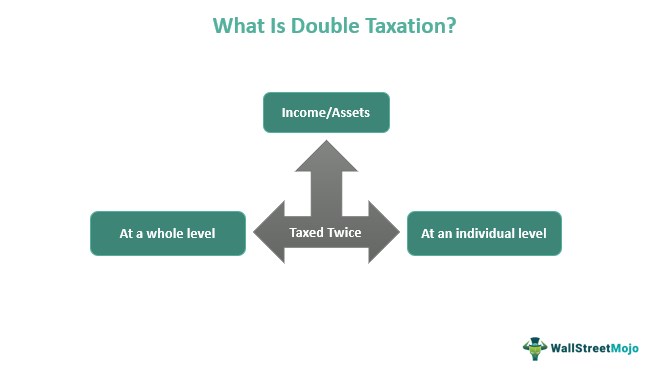
Why Do Double Taxation Issues Arise?
| Scenario | Explanation |
|---|---|
| Residence vs. Source | Country A taxes based on residency; Country B taxes based on where income is earned |
| Conflicting Residency Rules | Two countries both claim an individual/company as their tax resident |
| Permanent Establishment (PE) | Business activities create taxable presence in multiple countries |
| Cross-Border Investments | Dividends, interest, royalties taxed at source and in investor’s country |
How Double Tax Avoidance Works
DTAA Decision Flowchart: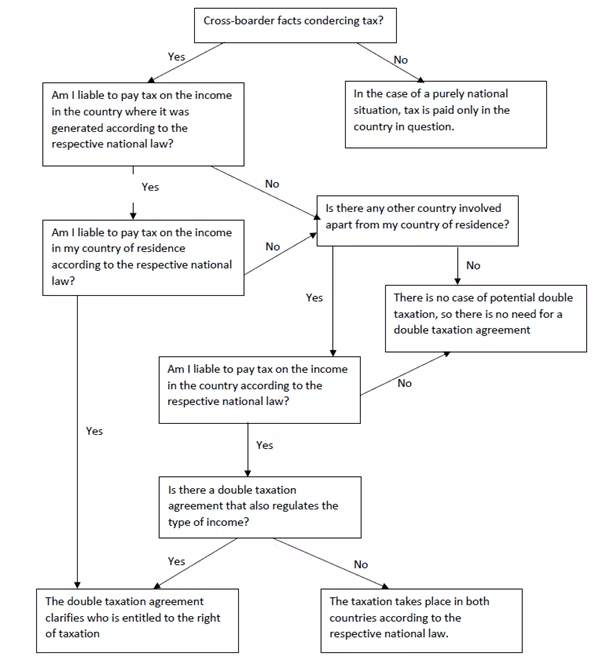
DTAA Process Flow: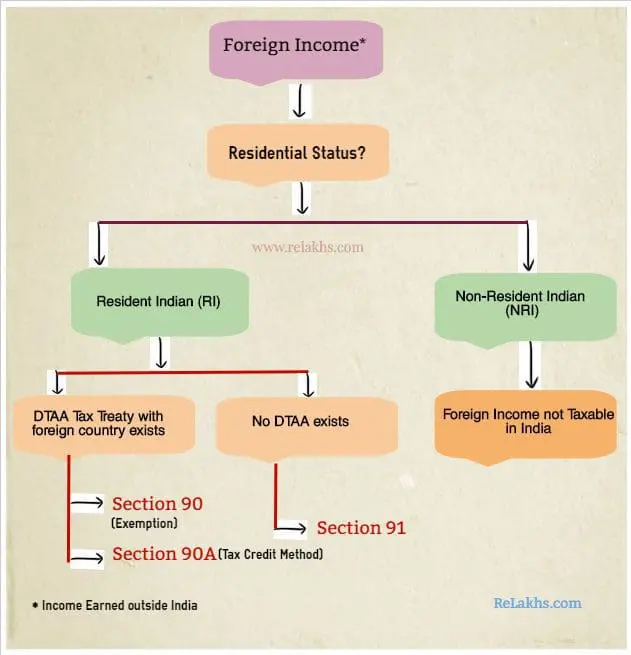
The Basic Mechanism:
- Determine Tax Residency → Which country has the right to tax as the “home” country?
- Identify Income Source → Where did the income originate?
- Apply Treaty Provisions → Which country gets primary taxing rights?
- Eliminate Double Tax → Through exemption or credit method
Methods to Avoid Double Taxation
Method 1: Exemption Method
- Residence country exempts foreign-sourced income
- Only the source country taxes the income
- Example: UAE resident earning UK income—UAE exempts, UK taxes
Method 2: Credit Method
- Residence country taxes worldwide income
- Allows credit for taxes paid in the source country
- Example: UK resident earning UAE income—UK taxes but gives credit for UAE tax paid
Method 3: Deduction Method
- Residence country allows foreign taxes as a deduction from taxable income
- Less favorable than credit method
- Rarely used in modern treaties
Key Benefits of DTAA
India-UK DTAA Benefits Example: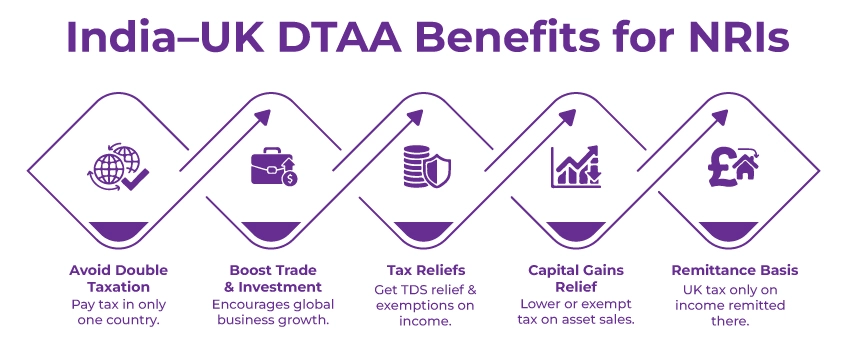
| Benefit | Description |
|---|---|
| Lower Withholding Taxes | Reduced rates on dividends, interest, royalties (e.g., 5-15% instead of 20-30%) |
| Tax Certainty | Clear rules on which country can tax what income |
| Avoidance of Double Tax | Ensures income is taxed only once |
| Dispute Resolution | Mutual Agreement Procedure (MAP) to resolve conflicts |
| Prevention of Tax Evasion | Information exchange between tax authorities |
| Encourages Investment | Makes cross-border business more attractive |
Typical DTAA Coverage
Income Categories Covered:
- Business profits
- Dividends
- Interest
- Royalties
- Capital gains
- Employment income
- Directors’ fees
- Artists and sportsmen income
- Pensions
- Government payments
DTAA Visual Representation:
UAE’s Double Tax Treaty Network
The UAE has one of the most extensive tax treaty networks globally, with 140+ agreements signed with countries worldwide.
European Tax Treaty Network (Example):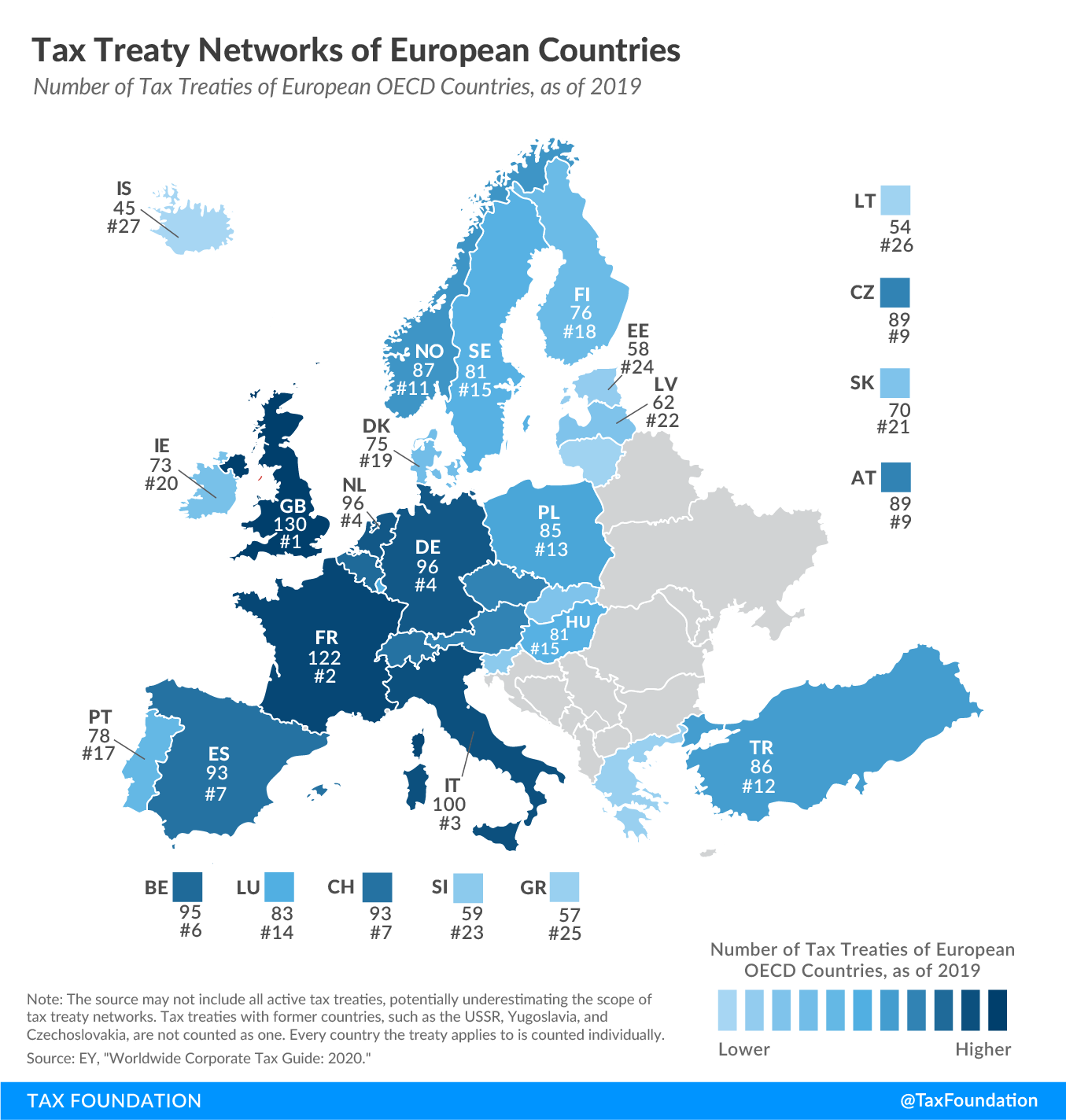
Key UAE Treaty Partners:
- India, Pakistan, UK, Germany, France, China, Singapore, Malaysia, and most major economies
- Covers over 85% of global trade and investment flows
UAE Treaty Benefits:
- Most UAE treaties follow the OECD Model Convention
- Generally favorable source country taxation limits
- Strong capital gains protections
- Clear Permanent Establishment thresholds
Tax Residency Certificate (TRC)
To claim DTAA benefits in the UAE, you need a Tax Residency Certificate issued by the Ministry of Finance.
UAE Tax Residency Certificate (Old Format):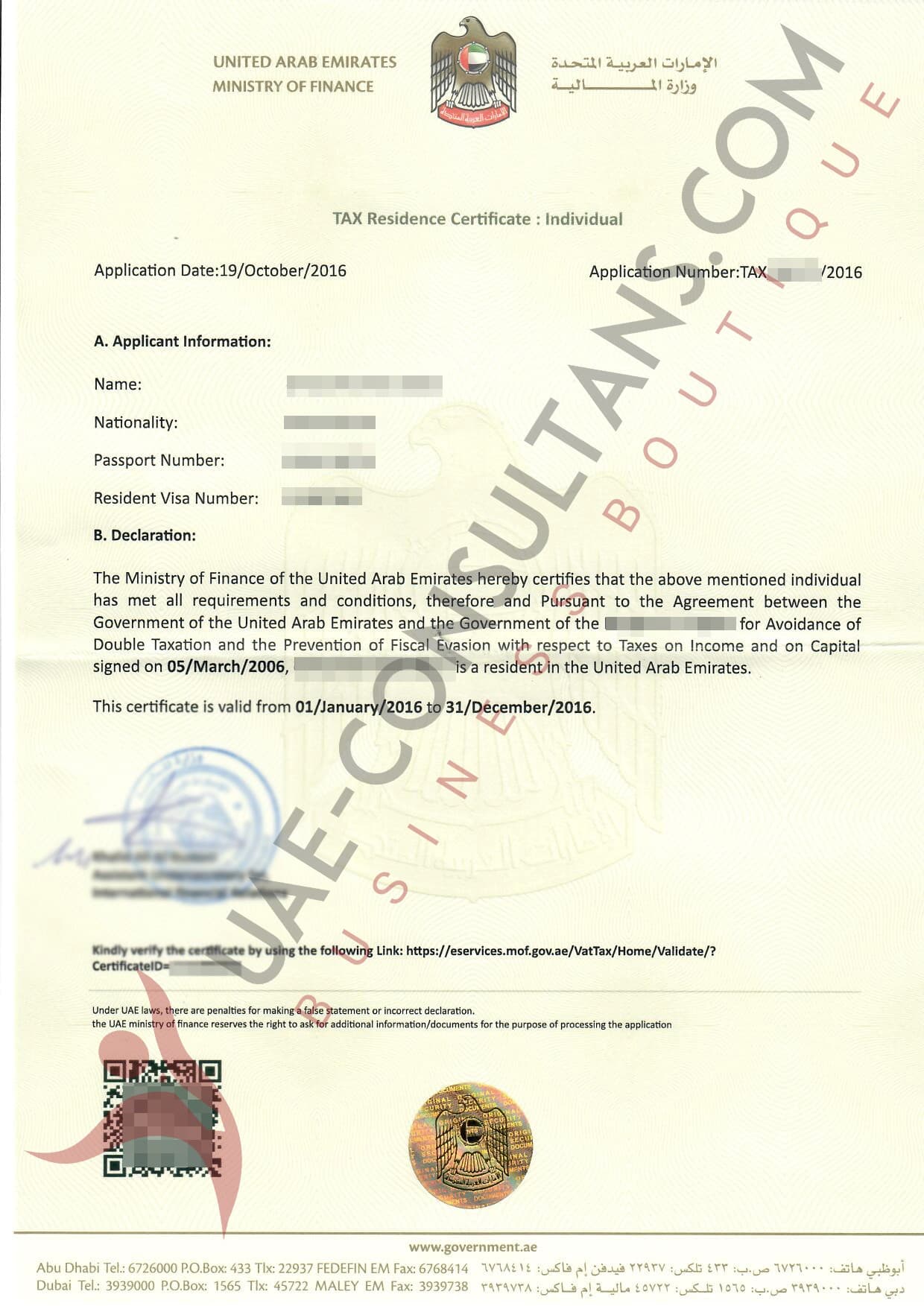
UAE Tax Residency Certificate (New Format):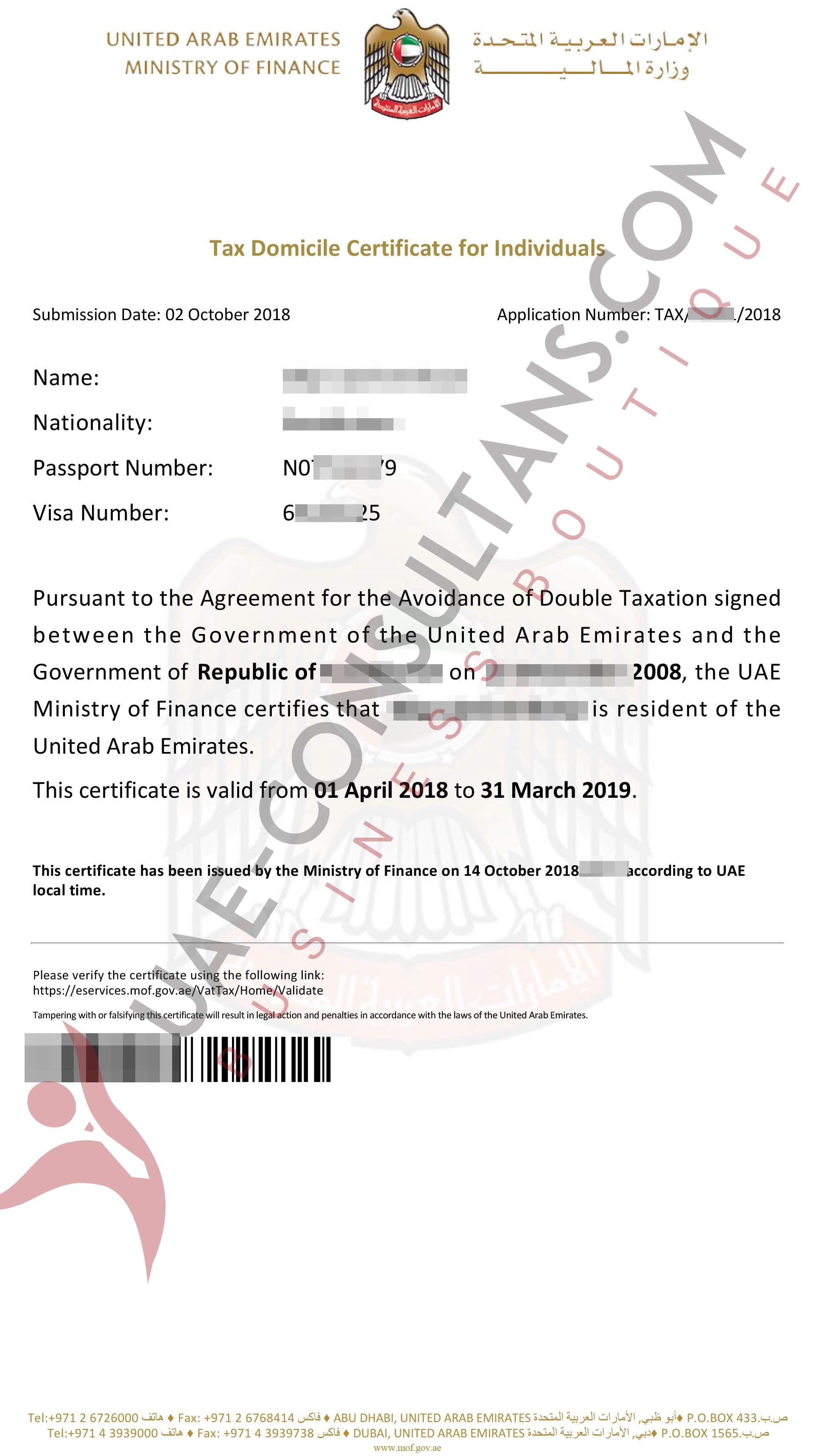
UAE Tax Residency Certificate (Sample):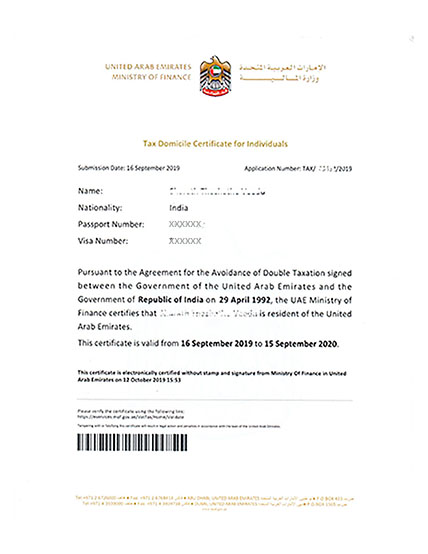
Who Can Apply:
- UAE residents (individuals staying 183+ days)
- UAE companies (incorporated or effectively managed in UAE)
- Must have valid UAE residence visa or trade license
Validity: Usually 1 year from date of issue
Practical Example
Scenario: A UK company earns AED 1,000,000 in dividends from a UAE subsidiary
Without DTAA:
- UAE withholding tax: 0% (UAE doesn’t impose withholding tax on dividends)
- UK corporate tax: 25% on foreign dividends
- Total tax: 25%
With UAE-UK DTAA:
- UAE withholding tax: 0%
- UK corporate tax: 25%, but credit for UAE tax paid (0%)
- Total tax: 25% (no double tax, but no additional benefit in this case)
Better Example: Indian resident earning interest from UAE bank deposits
Without DTAA:
- UAE tax: 0%
- India tax: 30% (as per slab rates)
- Total tax: 30%
With India-UAE DTAA:
- UAE tax: 0%
- India tax: 30%, but may get credit or exemption provisions
- Potential savings: Depending on specific treaty article
Limitations of DTAA
| Limitation | Explanation |
|---|---|
| Treaty Shopping | Anti-abuse rules prevent artificial residency arrangements |
| Beneficial Ownership | Must be actual owner of income, not just conduit |
| Principal Purpose Test (PPT) | OECD BEPS Action 6 prevents treaty abuse |
| Limitation of Benefits (LOB) | Some treaties have specific eligibility clauses |
| Permanent Establishment | Business presence may trigger full taxation rights |
BEPS and Modern DTAA Developments
The OECD’s Base Erosion and Profit Shifting (BEPS) project has modernized DTAA rules:
- Action 6: Preventing treaty abuse
- Action 14: Making dispute resolution more effective
- Action 15: Multilateral Instrument (MLI) to update existing treaties
UAE’s Position:
- Signed the OECD Multilateral Convention
- Committed to BEPS minimum standards
- Updating treaties to include anti-abuse provisions
Summary
Double Tax Avoidance Agreements are essential for:
- ✅ Preventing double taxation of international income
- ✅ Encouraging cross-border trade and investment
- ✅ Providing tax certainty for businesses
- ✅ Reducing tax barriers to economic growth
- ✅ Facilitating cooperation between tax authorities
Key Takeaway: Always check if a DTAA exists between countries when dealing with international income, and obtain a Tax Residency Certificate to claim treaty benefits.