 easytaxbite
Understanding Federal Decree-Law No. 47 of 2022 and Its Impact on Property Developers

Dubai’s iconic skyline represents one of the world’s most dynamic real estate markets, now subject to the UAE Corporate Tax regime
1. General Taxability and Rates
Real estate development companies incorporated or established in the UAE are classified as Resident Persons (juridical persons) for Corporate Tax purposes. This means they are subject to tax on their Taxable Income derived from both UAE and international sources.
Tax Rate Structure:
| Taxable Income Bracket | Corporate Tax Rate |
|---|---|
| Up to AED 375,000 | 0% |
| Above AED 375,000 | 9% |
Key Distinction: Individuals vs. Companies
- Licensed Companies: Fully subject to Corporate Tax
- Natural Persons: If engaging in real estate investment (selling, leasing, or renting) without a commercial license, this is not considered a taxable Business
The UAE Corporate Tax regime represents a significant shift in the country’s fiscal landscape
2. Foreign Real Estate Developers (Non-Resident Nexus)
Foreign real estate companies are also subject to UAE Corporate Tax under specific conditions.
How Foreign Developers Create Taxable Nexus:
Nexus Creation (Article 11(4)(c) & Cabinet Decision No. 56/2023):
- A non-resident juridical person establishes a “nexus” if it earns income from Immovable Property in the UAE
Taxable Base (Article 12(3)(c)):
- Subject to Corporate Tax on net income attributable to that UAE Immovable Property
State Sourced Income (Article 13(2)(d)):
- Income from movable or immovable property located in the UAE is explicitly classified as State Sourced Income
Important: Foreign developers do NOT need a physical office, branch, or employees in the UAE to trigger tax liability—property ownership alone creates the nexus.
3. Free Zone Real Estate Developers
Free Zone registration offers limited benefits for real estate developers due to the nature of property assets.
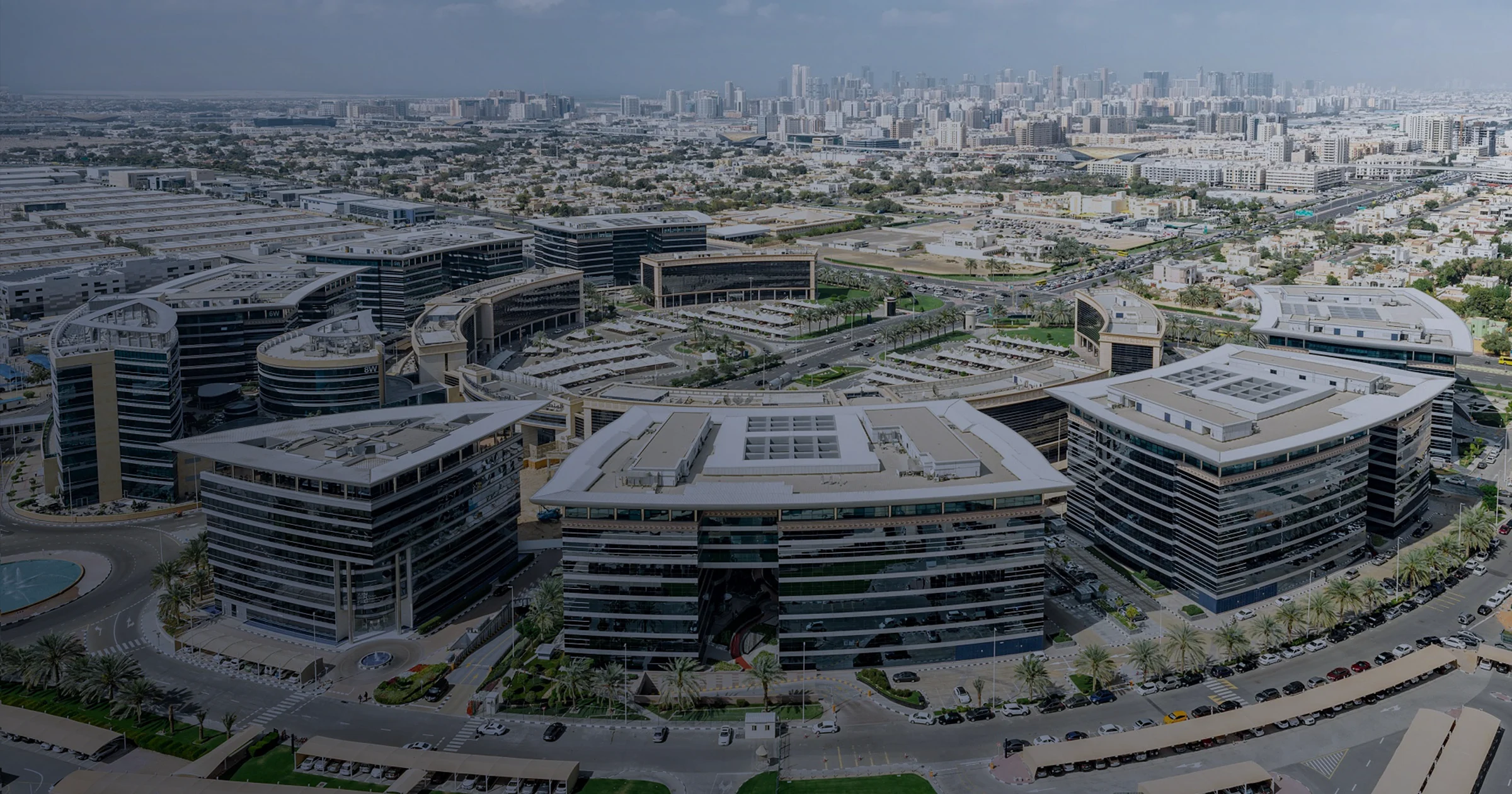
Free Zone commercial properties have specific tax treatment under the Corporate Tax Law
Excluded Activities (Taxed at 9%):
Income from ownership or exploitation of UAE Immovable Property is generally an Excluded Activity, meaning it does NOT qualify for the 0% rate.
The Only Exception for 0% Rate:
A Free Zone developer can earn Qualifying Income (0%) ONLY if:
- The transaction relates to Commercial Property located within a Free Zone
- The transaction is conducted exclusively with other Free Zone Persons
What Does NOT Qualify as Commercial Property?
- Hotels
- Serviced apartments
- Bed and breakfast establishments
- Motels
- Any property used as a place of residence or accommodation
De Minimis Threshold:
If non-qualifying revenue exceeds the lower of:
- AED 5,000,000, OR
- 5% of total revenue
→ The company loses Qualifying Free Zone Person status entirely for that Tax Period.
4. Transitional Rules for Properties Acquired Before Corporate Tax
Developers who owned properties before their first Tax Period can elect for transitional relief under Article 61 to avoid paying tax on pre-regime gains.
Available Methods:
| Method | Description |
|---|---|
| Valuation Method | Excludes the gain that would have arisen if the property was sold at Market Value at the start of the first Tax Period |
| Time Apportionment Method | Excludes a portion of the gain based on the proportion of time owned prior to the first Tax Period vs. total ownership time |
Practical Example:
If a developer owned a property for 4 years total, with 2 years before their first tax period:
- 50% of the gain can be excluded from taxable income
- Only the post-regime appreciation is taxed

Professional property valuation is essential for applying transitional relief correctly
5. Deductibility of Financing Costs (Interest Limitations)
Real estate development is capital-intensive, making financing costs a critical tax consideration.
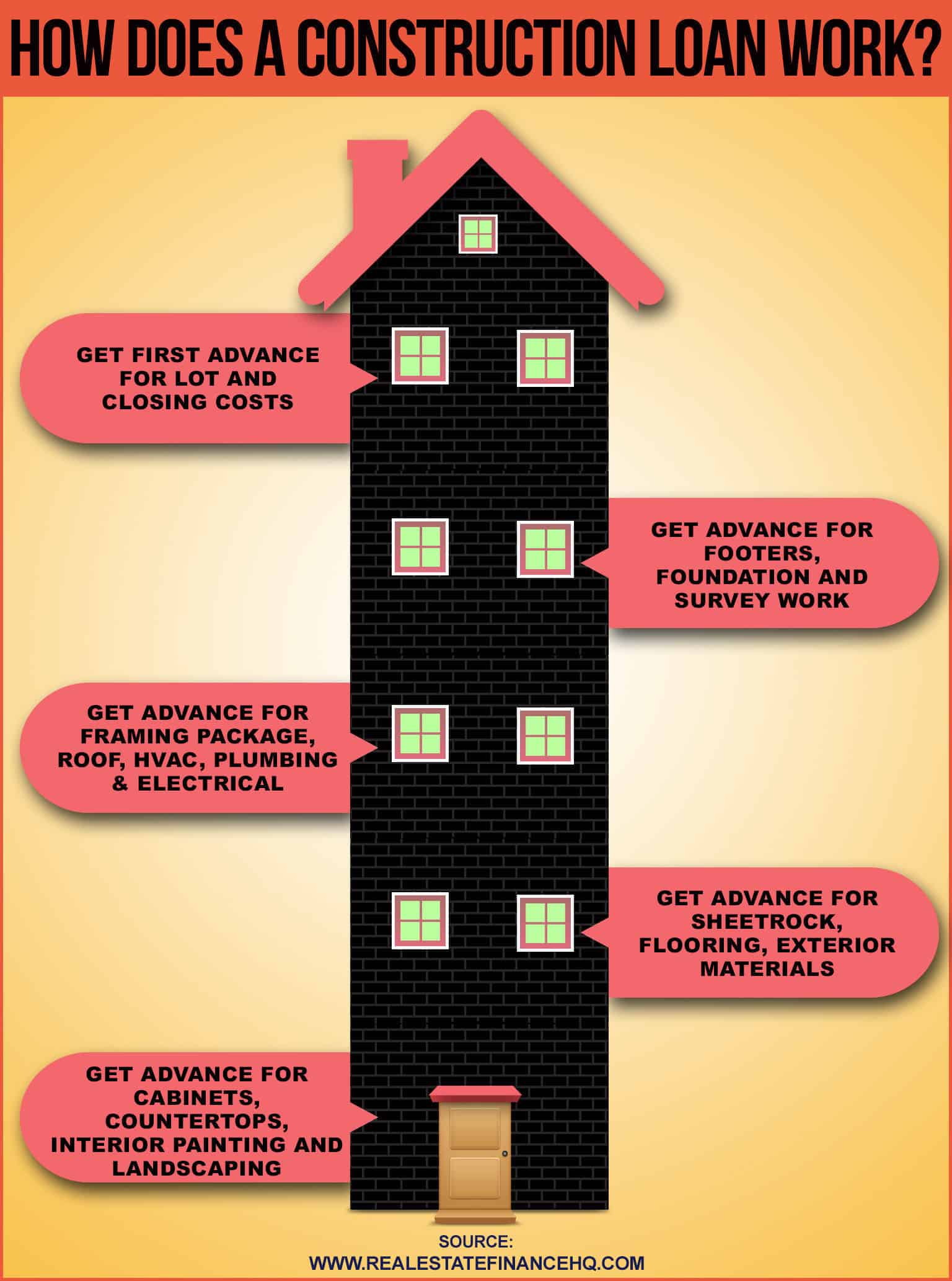
Construction financing is subject to specific deduction limitations under Article 30
General Interest Deduction Limitation Rule (Article 30):
Threshold: If Net Interest Expenditure exceeds AED 12,000,000 in a Tax Period:
Deduction Cap = Greater of:
- 30% of adjusted EBITDA, OR
- AED 12,000,000
Carry Forward: Any disallowed interest can be carried forward and used in the subsequent 10 Tax Periods.
Calculation Example:
- Adjusted EBITDA: AED 100,000,000
- Net Interest Expenditure: AED 40,000,000
- Maximum Deduction: 30% × AED 100,000,000 = AED 30,000,000
- Disallowed Interest: AED 40,000,000 – AED 30,000,000 = AED 10,000,000 (carried forward)
Quick Reference Q&A
| Question | Answer |
|---|---|
| Are licensed UAE developers subject to Corporate Tax? | Yes, at 9% on income exceeding AED 375,000 |
| Can foreign developers without UAE offices be taxed? | Yes, through “nexus” created by UAE property ownership |
| Do Free Zone developers get 0% rate? | Rarely—only on commercial property transactions with other Free Zone Persons |
| Are hotels considered commercial property? | No—they are excluded from the 0% rate |
| Can pre-2023 property gains be excluded? | Yes, using transitional relief methods |
| Is all interest on construction loans deductible? | No—limited to 30% of EBITDA if exceeding AED 12M threshold |
Key Takeaways for Developers
- Plan Ahead: Understand whether your property portfolio qualifies for Free Zone benefits
- Track Ownership Periods: Document acquisition dates for transitional relief elections
- Monitor Interest Costs: Structure financing to optimize the AED 12M threshold
- Classify Properties Correctly: Distinguish between commercial and residential assets
- Foreign Investors Beware: Physical presence is not required to trigger UAE tax liability
This guide is based on Federal Decree-Law No. 47 of 2022 on the Taxation of Corporations and Businesses and related Cabinet Decisions. For specific advice regarding your real estate development company, consult with a qualified UAE tax advisor.