 easytaxbite
Free Zone Tax Rules: The Complete Guide for Global Entrepreneurs (2025)
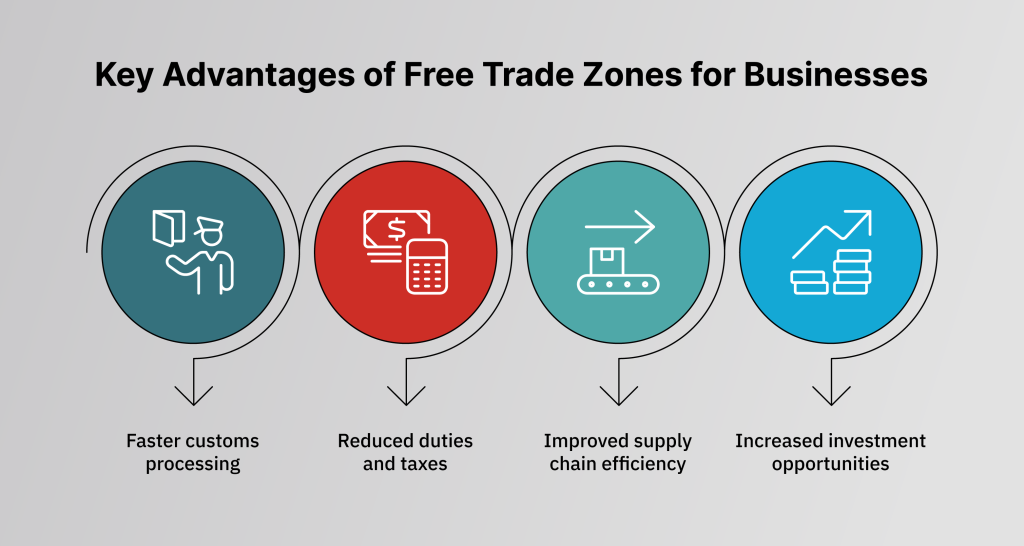
Key advantages of operating within Free Trade Zones include streamlined customs processing, reduced regulatory burdens, improved supply chain efficiency, and enhanced market access opportunities.
What Are Free Zones?
Free Zones (also called Free Trade Zones or FTZs) are designated geographic areas within a country where business activities operate under special regulatory frameworks—particularly when it comes to taxation. These zones are designed to attract foreign investment, boost exports, and stimulate economic growth by offering significant tax incentives and simplified customs procedures.
Unlike standard jurisdictions where companies face full corporate tax rates (often 15-30%), Free Zone entities can legally reduce their tax burden to 0% or single-digit rates, provided they meet specific compliance requirements.
The UAE Model: The Gold Standard for Free Zone Taxation
The United Arab Emirates has emerged as the world’s premier destination for Free Zone business establishment, with over 50 specialized zones catering to industries from finance to technology. However, the introduction of the UAE Corporate Tax Law (Federal Decree-Law No. 47 of 2022) has transformed the landscape.
The 0% Tax Reality—With Strings Attached
As of 2025, Free Zone companies can still enjoy 0% corporate tax, but only if they qualify as a Qualifying Free Zone Person (QFZP). This isn’t automatic—it requires strategic compliance.
To achieve QFZP status, companies must:
- Maintain adequate substance in the Free Zone (physical office, local staff, real operations—not just a virtual address)
- Derive qualifying income from approved activities
- Ensure non-qualifying revenue doesn’t exceed the de minimis threshold (5% of total revenue or AED 5 million, whichever is lower)
- Comply with transfer pricing rules for related-party transactions
- Prepare audited IFRS financial statements
- Register with the Federal Tax Authority (FTA) and file annual returns
⚠️ Critical Warning: If you breach any condition, you lose QFZP status for five consecutive tax periods and face the full 9% rate on all income.
Qualifying vs. Non-Qualifying Income
Not all revenue is treated equally. Understanding this distinction is crucial for maintaining your tax benefits.
Qualifying Activities (0% Rate Applies)
- Manufacturing and processing of goods
- Trading of qualifying commodities (metals, minerals, energy, agricultural products)
- Holding shares and securities for investment
- Ship ownership and management
- Fund management and reinsurance services
- Headquarters services to related parties
- Logistics and distribution from designated zones
Excluded Activities (9% Rate Applies)
- Banking and insurance (non-reinsurance)
- Real estate transactions (except Free Zone commercial property)
- Transactions with natural persons (in most cases)
- Finance/leasing unrelated to aircraft or ships
The De Minimis Rule: You can have some non-qualifying income, but it must stay below 5% of total revenue or AED 5 million. For example, a company with AED 50 million revenue can have up to AED 2.5 million in mainland transactions without losing QFZP status .
Global Comparison: Free Zone Tax Incentives Worldwide
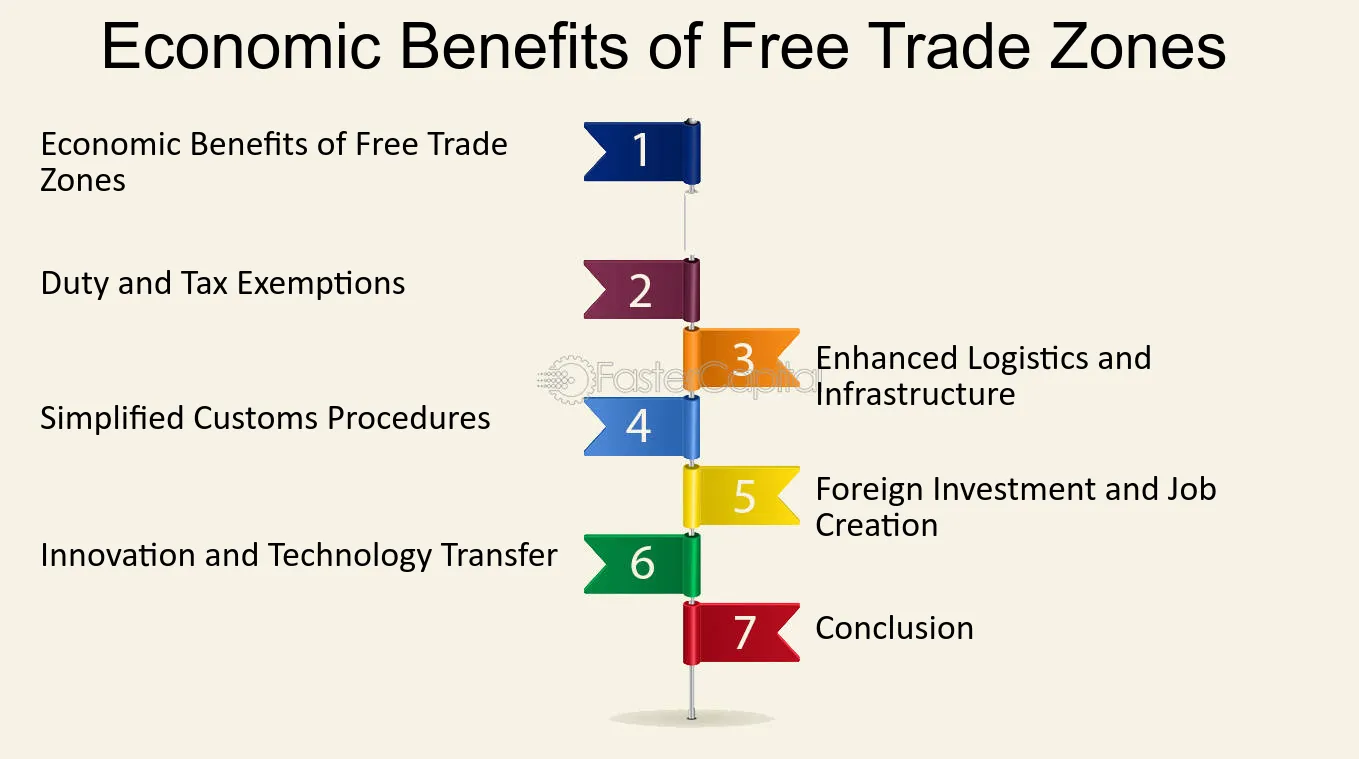
Free Trade Zones worldwide offer duty exemptions, simplified customs, enhanced logistics, foreign investment incentives, and technology transfer opportunities.
| Country | Key Tax Incentives | Best For |
|---|---|---|
| UAE | 0% on qualifying income; 9% on non-qualifying | Regional headquarters, trading, logistics |
| Panama | Full exemption from direct/indirect taxes; 5% dividend tax | Logistics, maritime services |
| Dominican Republic | 100% exemption on municipal, national, customs taxes | Manufacturing, export processing |
| Mexico | 20% income tax in border zones; IMMEX program benefits | Nearshoring, automotive, electronics |
| Colombia | VAT and tariff exemptions on raw materials | Manufacturing, assembly |
| Georgia | 0% corporate tax on all Free Zone trading income | Eastern Europe/Central Asia trade hub |
Compliance Checklist: Staying Tax-Exempt
Maintaining Free Zone tax benefits requires ongoing diligence. Here’s your operational roadmap:
1. Substance Requirements
- Maintain a physical office (virtual packages won’t suffice post-2025)
- Employ adequate qualified staff in the zone
- Incur sufficient operating expenditures relative to your activity level
- Keep core income-generating activities physically in the zone
2. Documentation & Reporting
- Register for Corporate Tax within 3 months of starting operations (late registration penalty: AED 10,000)
- File annual tax returns within 9 months of financial year-end
- Maintain audited financial statements regardless of revenue size
- Keep transfer pricing documentation if you have related-party transactions above thresholds
- Retain records for minimum 5 years
3. Strategic Structuring
- Separate mainland and Free Zone transactions clearly
- Monitor your de minimis threshold quarterly
- Review income classification annually
- Consider separate entities for excluded activities
Common Pitfalls to Avoid
Based on recent FTA enforcement actions, here are the mistakes that cost companies their 0% status:
- Underestimating substance requirements – Virtual offices and nominee directors are red flags
- Misclassifying income – Assuming all trading income qualifies without checking the “beneficial recipient” rule
- Ignoring transfer pricing – Related-party transactions must follow arm’s length principles
- Breaching the de minimis threshold – One large mainland contract can disqualify you for 5 years
- Missing registration deadlines – Even zero-tax companies must register and file
Who Should Use Free Zones?
Free Zones are ideal for:
- International trading companies importing/exporting goods
- E-commerce businesses serving global markets
- Holding companies managing investments
- Logistics and warehousing operations
- Tech startups with global clientele
- Manufacturers re-exporting finished goods
They’re less suitable for businesses primarily serving the local domestic market or those in regulated sectors like retail banking or local real estate development.
The Bottom Line
Free Zone tax rules offer legitimate, substantial tax savings—but they’re not a “set and forget” solution. The global trend toward tax transparency (OECD BEPS, EU blacklist monitoring) means substance and compliance requirements will only tighten.
Success requires:
- Genuine operational presence in the zone
- Careful income stream management
- Proactive compliance and documentation
- Regular professional review of your structure
The 0% tax rate remains achievable and legal, but it demands treating your Free Zone entity as a real business, not just a mailbox. Companies that invest in proper setup and ongoing compliance will continue to enjoy significant competitive advantages in the global marketplace.
