 easytaxbite
What is a Tax Residency Certificate (TRC)?
A Tax Residency Certificate (TRC) is an official government document that certifies an individual or entity’s tax residency status in a particular country. It serves as proof that you are a tax resident of the issuing country and is essential for claiming benefits under Double Taxation Avoidance Agreements (DTAA).
Key Purposes of TRC
| Purpose | Description |
|---|---|
| Prevent Double Taxation | Avoids paying tax on the same income in two different countries |
| Claim Treaty Benefits | Access reduced withholding tax rates on foreign income |
| Prove Tax Residency | Official documentation for foreign tax authorities |
| Compliance | Required by many countries to grant tax exemptions or reductions |
Who Issues TRCs?
- India: Income Tax Department (Form 10FA/10FB)
- United States: IRS (Form 6166, applied via Form 8802)
- Sri Lanka: Inland Revenue Department
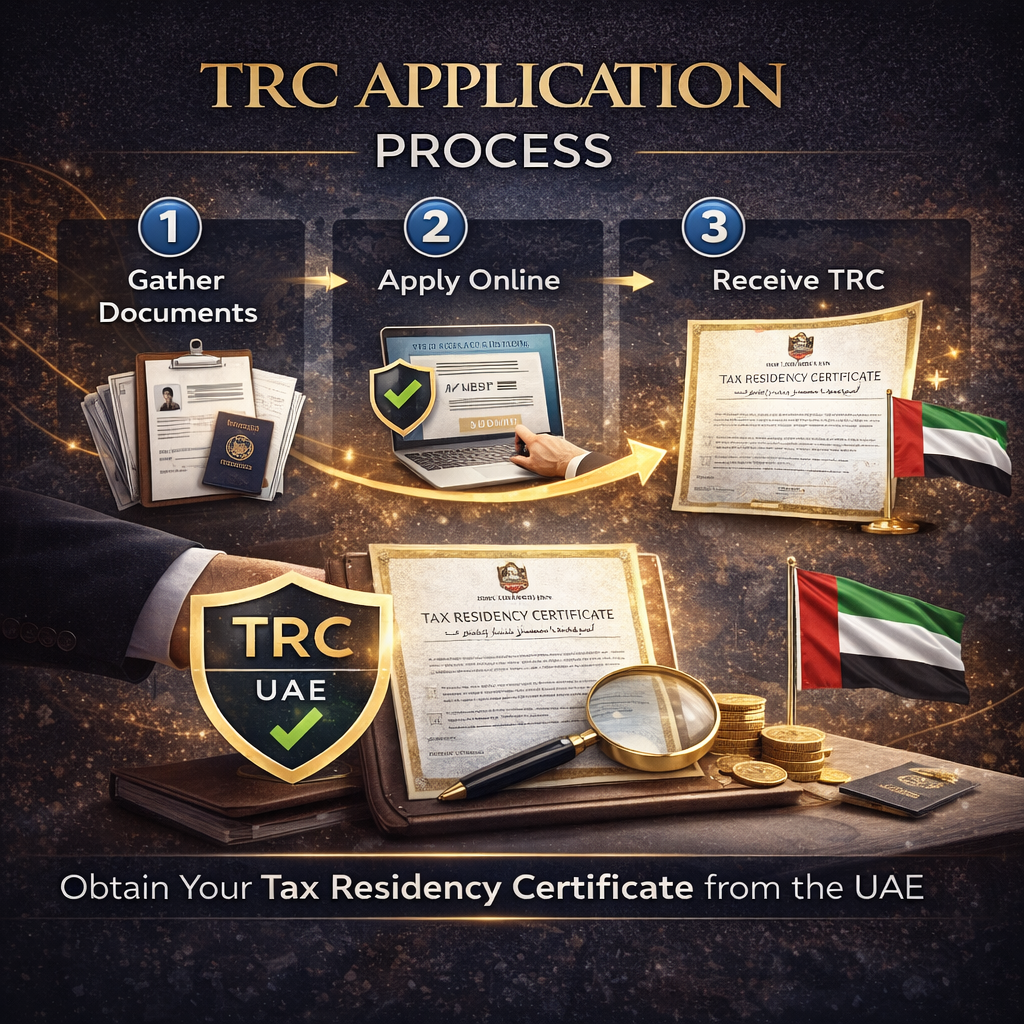
- UAE: Ministry of Finance
- Other Countries: Respective tax authorities or revenue departments
How It Works
When you earn income from a foreign source (dividends, interest, royalties, salary), the source country may withhold tax at a higher rate. By submitting a TRC, you can claim benefits under the DTAA between your country of residence and the source country, often reducing or eliminating the withholding tax.
TRC Application Form Example
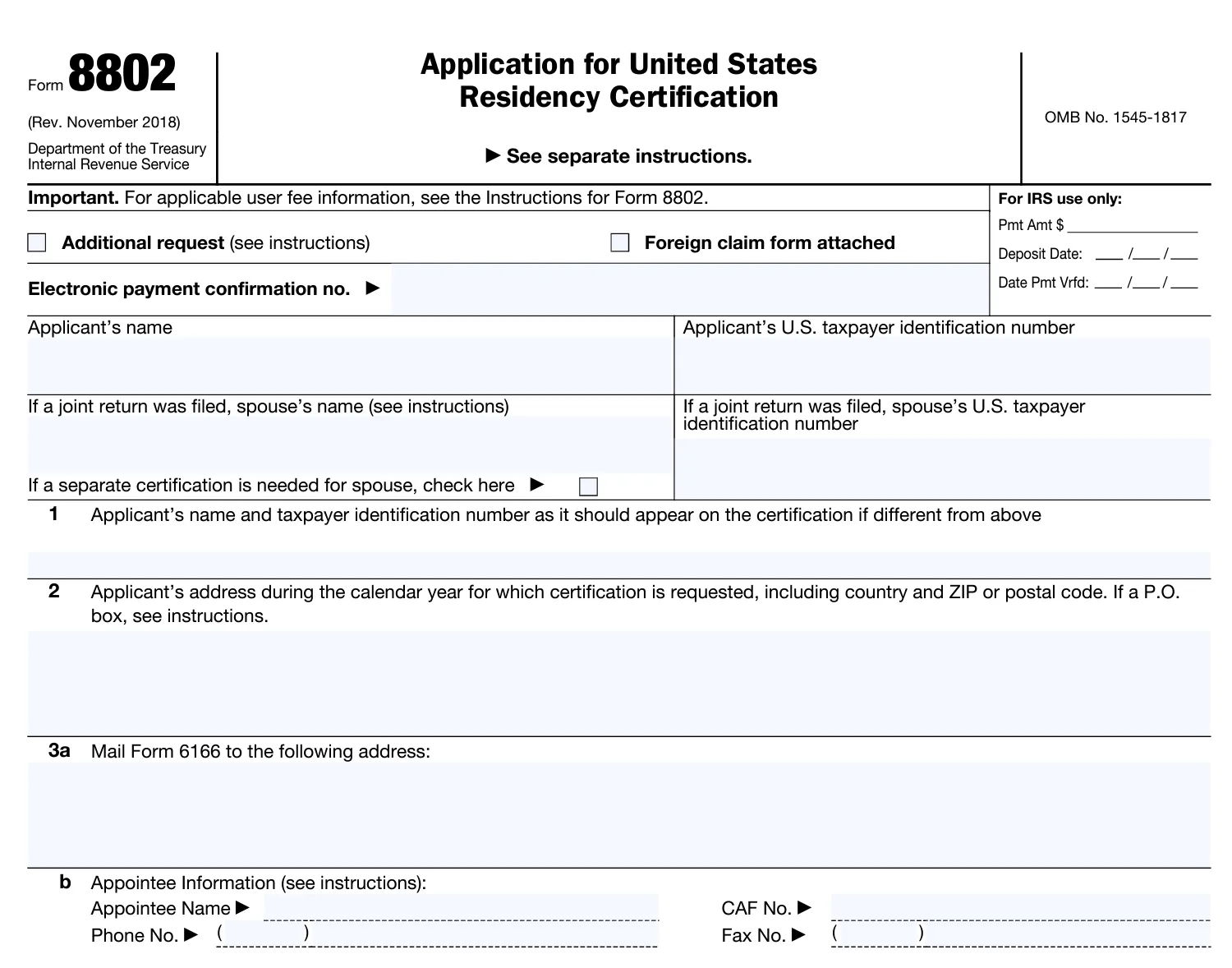
IRS Form 8802 used by U.S. taxpayers to apply for a Certificate of Residency (Form 6166)
Indian TRC Application (Form 10FA)
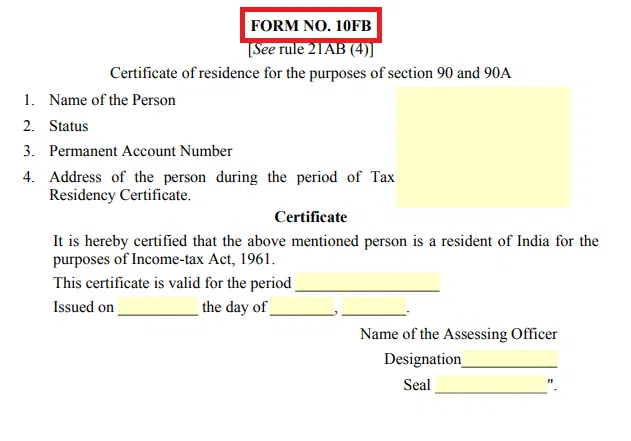
Form 10FA – Application for Tax Residency Certificate in India for claiming DTAA benefits
Validity
TRCs are typically valid for one financial year and must be renewed annually. Some countries may issue certificates for specific periods based on the tax year .
Common Scenarios Requiring TRC
- NRIs earning income in India
- Indian residents earning foreign income
- Multinational companies operating across borders
- Investors receiving dividends or interest from abroad
- Professionals providing services internationally